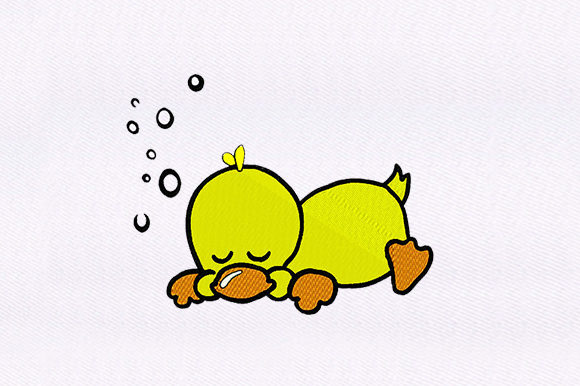
Sleeping Duck: A Charming Addition to Your Boutique Sweatshirts
First Impressions and Design Overview
As an embroidery designer, the first thing that struck me about Sleeping Duck is its charming and whimsical nature. The design exudes a sense of calm and coziness, making it perfect for a premium sweatshirt collection. The layout is well-balanced, with a level of detail that is both intricate and clean, ensuring it will stand out without overwhelming the fabric.
Design Suitability for Sweatshirts and Hoodies
Sleeping Duck would be a delightful addition to neutral sweatshirts, where its subtle elegance can shine through. On dark fabrics, the contrast between the thread colors and the background will make the design pop, creating a bold and eye-catching statement. For pastel-colored sweatshirts, Sleeping Duck adds a soft, feminine touch, enhancing the overall aesthetic with a gentle, playful vibe. Oversized hoodies and cozy seasonal apparel will also benefit from this design, as it complements the relaxed, comfortable feel of these garments.
Placement and Embroidery Considerations
When considering placement, Sleeping Duck is versatile enough for various options. Chest placement on a hoodie or sweatshirt can create a focal point, while sleeve accents add a unique, decorative element. For a more dramatic effect, placing the design on the back of a sweatshirt can turn a simple piece into a standout item. The stitch density and thread color choices are crucial here; a denser stitch will ensure the design holds up well, especially on thicker fabrics like sweatshirts and hoodies.
Practical Designer Concerns
- Thread Color Contrast: Choose thread colors that complement the fabric. For neutral and dark backgrounds, opt for contrasting colors to make Sleeping Duck stand out. Pastel fabrics may call for softer, more harmonious hues.
- Stitch Density: Ensure the stitch density is appropriate for the fabric thickness. A denser stitch will work well on thicker materials, providing durability and a clean finish.
- Stabilizer Choice: Use a suitable stabilizer to prevent puckering and ensure the design maintains its shape. This is especially important for heavier fabrics and larger designs.
- Hoop Placement: Carefully position the hoop to avoid distortion. Proper alignment is key to achieving a professional, polished look.
- Washing Durability: Test the design's durability by washing a sample. This ensures the design will hold up over time, maintaining its quality and appearance.
Enhancing Product Value and Brand Identity
Incorporating Sleeping Duck into your boutique brand can significantly enhance product value and buyer trust. The design's premium feel and attention to detail will appeal to customers looking for high-quality, handmade products. Visual recognition and customer engagement are bolstered by the design's unique charm, making it a memorable addition to your collection. Whether you're an Etsy seller or a small shop owner, Sleeping Duck can help establish a strong brand identity and elevate your custom apparel offerings.
Final Thoughts and Next Steps
Before moving forward with production, it's essential to review the specific details of the Sleeping Duck machine embroidery design. Check the embroidery file formats (10O, ART, CND, DSB, DST, DSZ, EXP, HUS, JEF, PCS, PEC, PES, TAP, VIP, VP3, XXX) to ensure compatibility with your embroidery machine. Additionally, consider the stitch count, hoop size, and license terms to ensure a smooth and successful embroidery process.
With its charming and versatile design, Sleeping Duck is a valuable asset for any small clothing brand, Etsy seller, or embroidery shop. It not only enhances the visual appeal of your products but also adds a touch of personality and craftsmanship that resonates with customers. Happy embroidering!